Skip to content
The fleet

The airplanes you'll train in

Students here train across two families of airplane: four Cirrus SR-series aircraft with glass panels and CAPS whole-airframe parachutes, and three IFR-certified Cessna 172s. Most people start in the 172 and move to the Cirrus, and plenty do both.

The flight line

Every airplane in the fleet.

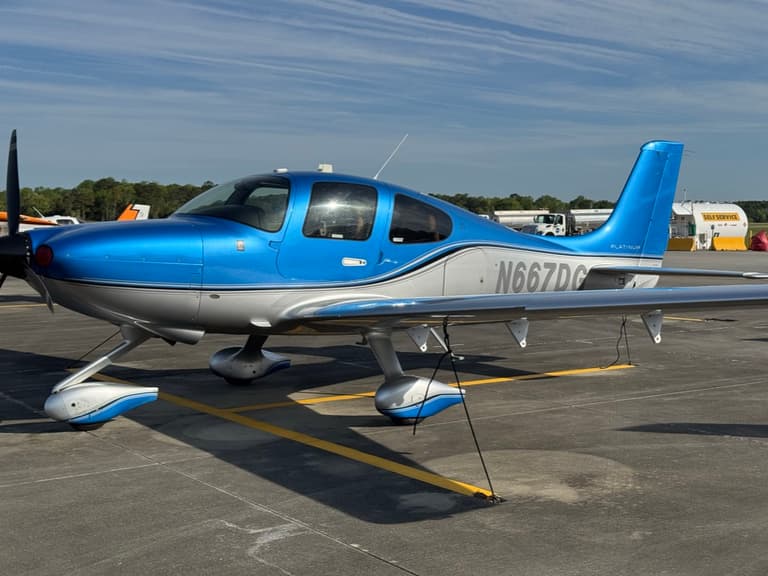
Cirrus SR20 G6 N667DG, in blue and silver, parked on the ramp at Grand Strand Airport
N667DG

The Cirrus most students train in

Cirrus SR20 G6

A 215-horsepower SR20 with the Cirrus Perspective+ glass panel and CAPS, the whole-airframe parachute system. Side-yoke control, a wide cabin and a modern panel make it a comfortable airplane to learn in and a genuinely capable one to travel in afterwards.

Registration
N667DG
Seats
4 seats
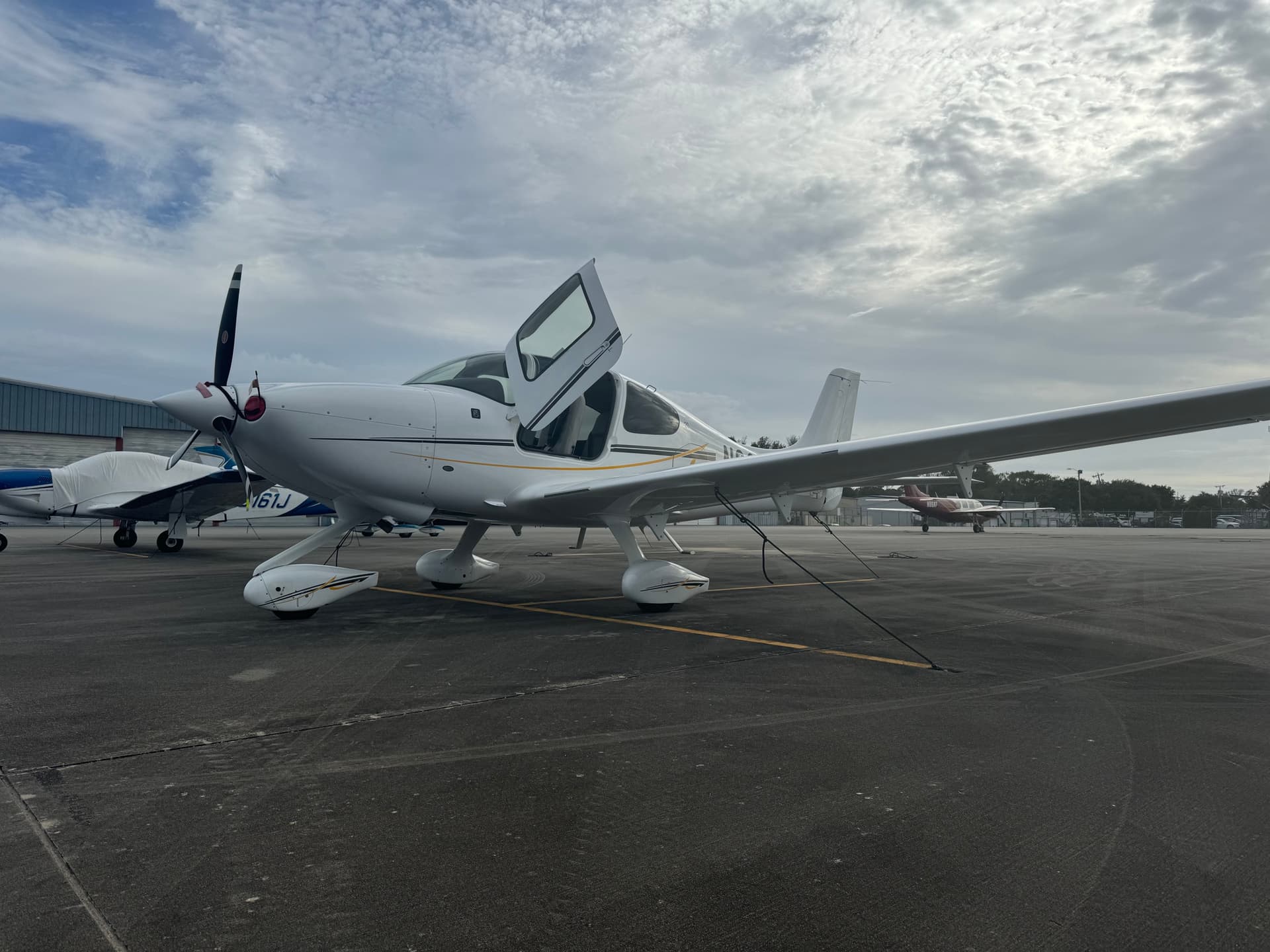
A white Cirrus SR20 with its cabin door raised, parked on the ramp at Grand Strand Airport
N803P

Second Perspective+ SR20

Cirrus SR20 G6

Our second G6 SR20 — 215 horsepower, Perspective+ avionics and CAPS. Two identical airframes mean your lesson does not stop because one airplane is in for maintenance, and nothing about the cockpit changes when you switch.

Registration
N803P
Seats
4 seats
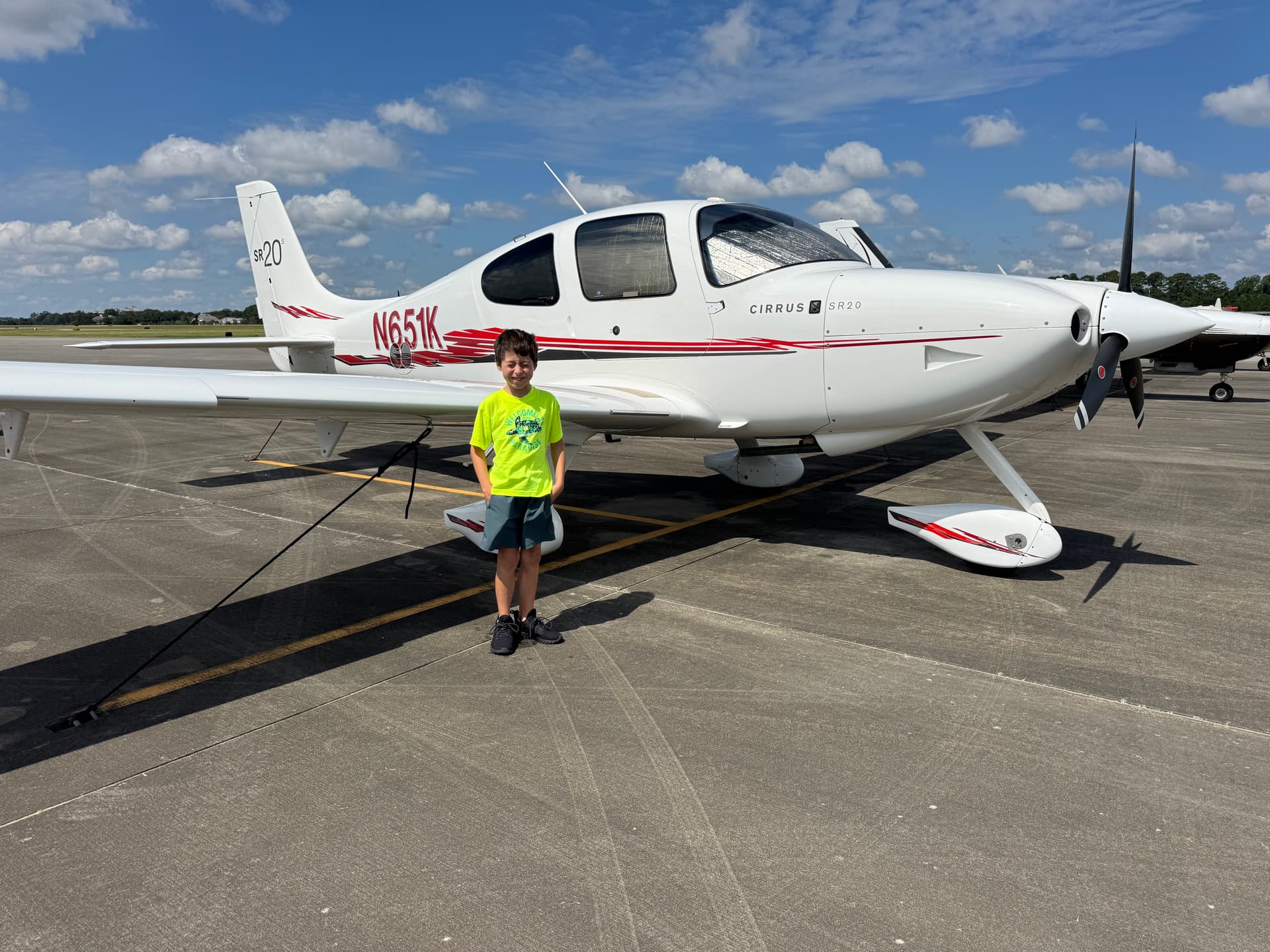
Cirrus SR20 N651K, in white with red trim, on the ramp at Grand Strand Airport
N651K

Avidyne-panel SR20

Cirrus SR20 G3

A 215-horsepower SR20 running the Avidyne panel rather than Perspective+, and fitted with CAPS. Flying both panels is worth more than it sounds: a pilot who can work two different glass systems is a pilot who reads instruments instead of memorizing one screen.

Registration
N651K
Seats
4 seats
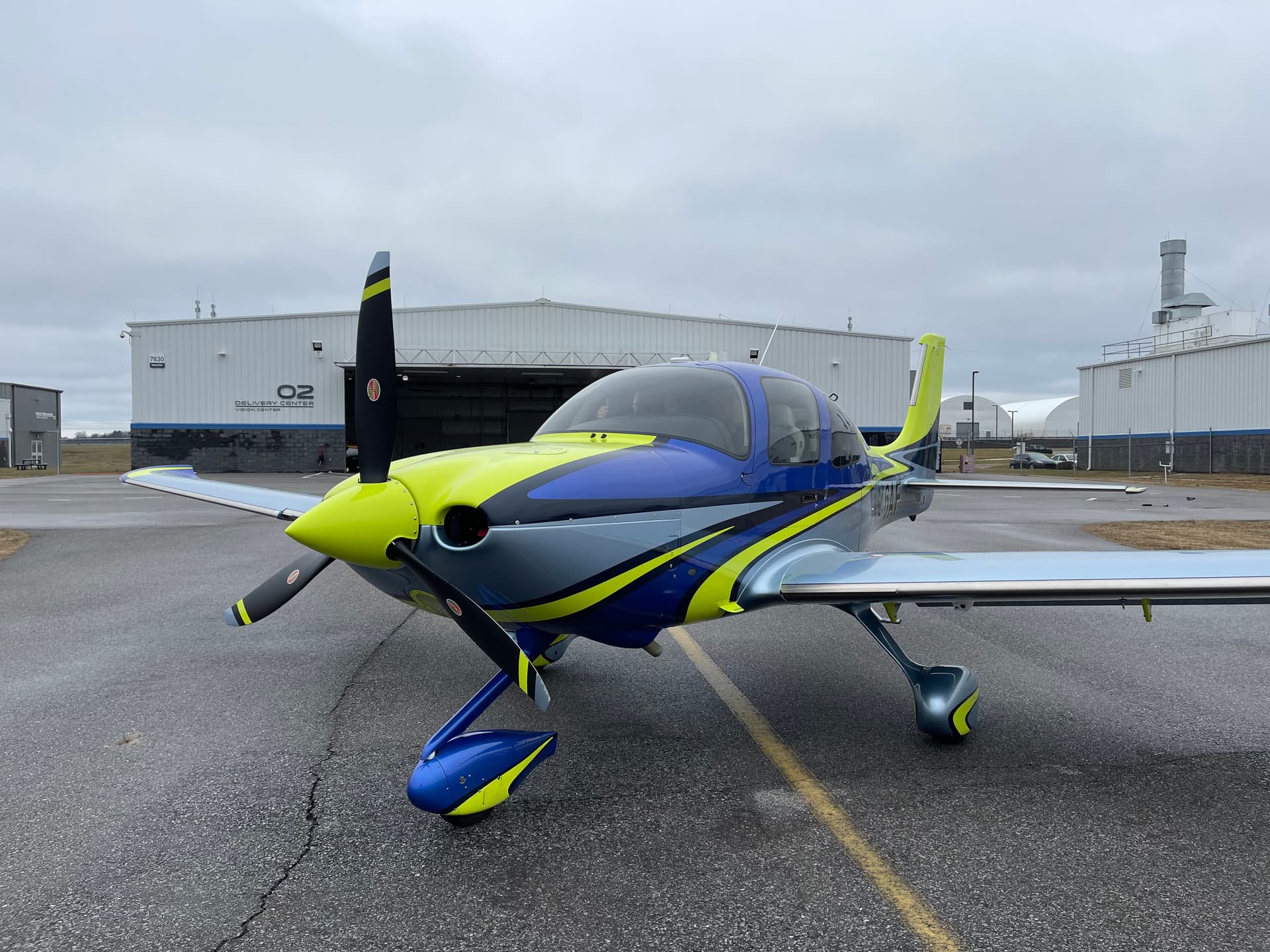
A Cirrus SR22 in blue, gray and lime livery on the ramp in front of the hangars at Grand Strand Airport
Pending

The high-performance Cirrus

Cirrus SR22 G6 XI

The 315-horsepower SR22 — Perspective+ avionics, CAPS, and the airplane behind the high-performance endorsement and our Cirrus transition training. This is what the SR20 prepares you for.

Registration
Pending
Seats
4 seats
The other half of the ramp

Two families of airplane, on purpose.

Two panels, two airframe families and a simulator make a more adaptable pilot than a single airplane ever could. You learn to fly instruments rather than to memorize one screen — which is exactly what an examiner, and later an employer, is looking for.

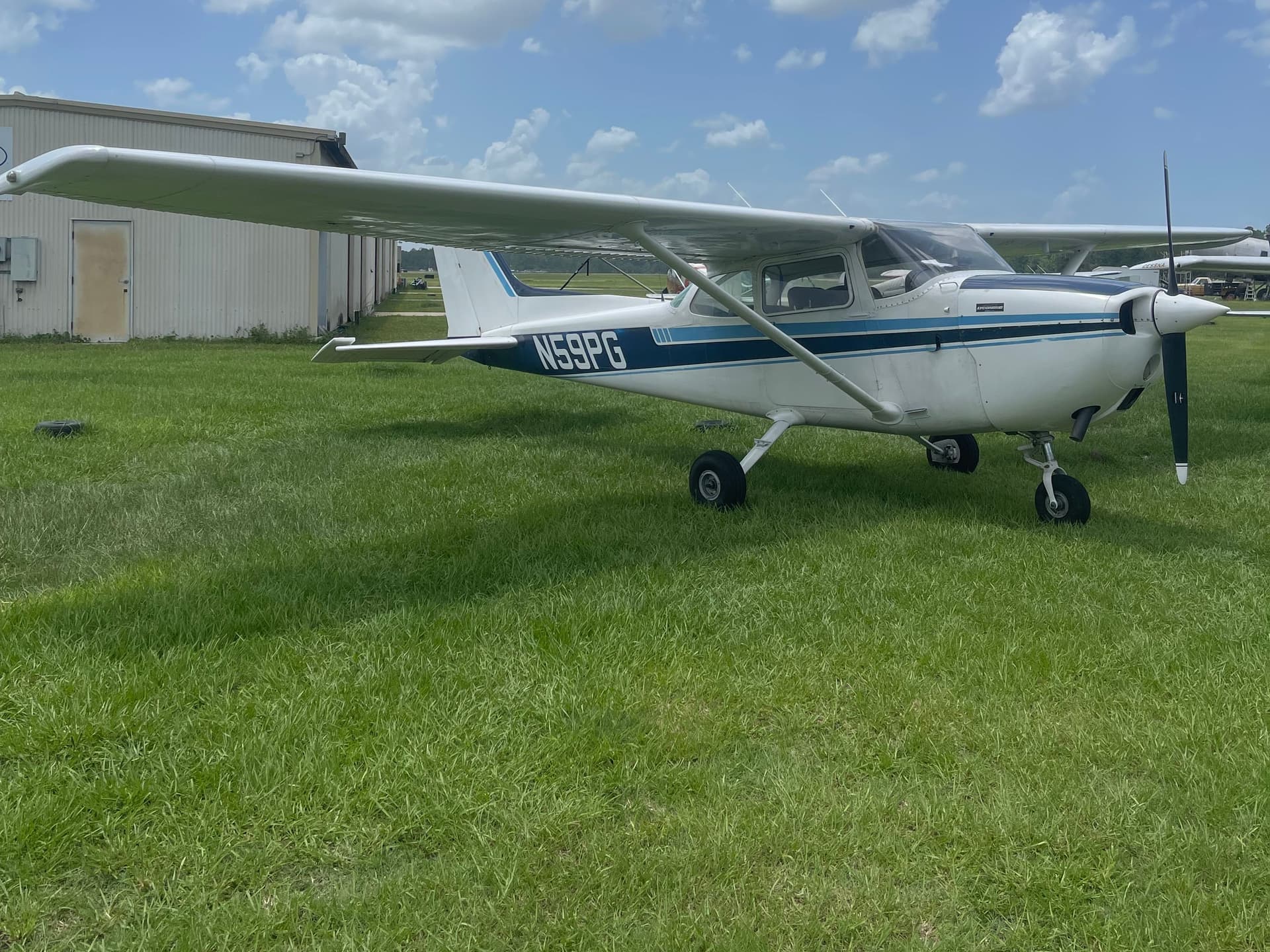
Cessna 172 N59PG, white with blue trim, parked on the grass beside a hangar
N59PG

Classic IFR-certified trainer

Cessna 172L

A four-seat, IFR-certified Skyhawk with VOR navigation. The 172 is the airplane more pilots have learned in than any other, and it is the one behind our $99 Discovery Flight.

Registration
N59PG
Seats
4 seats
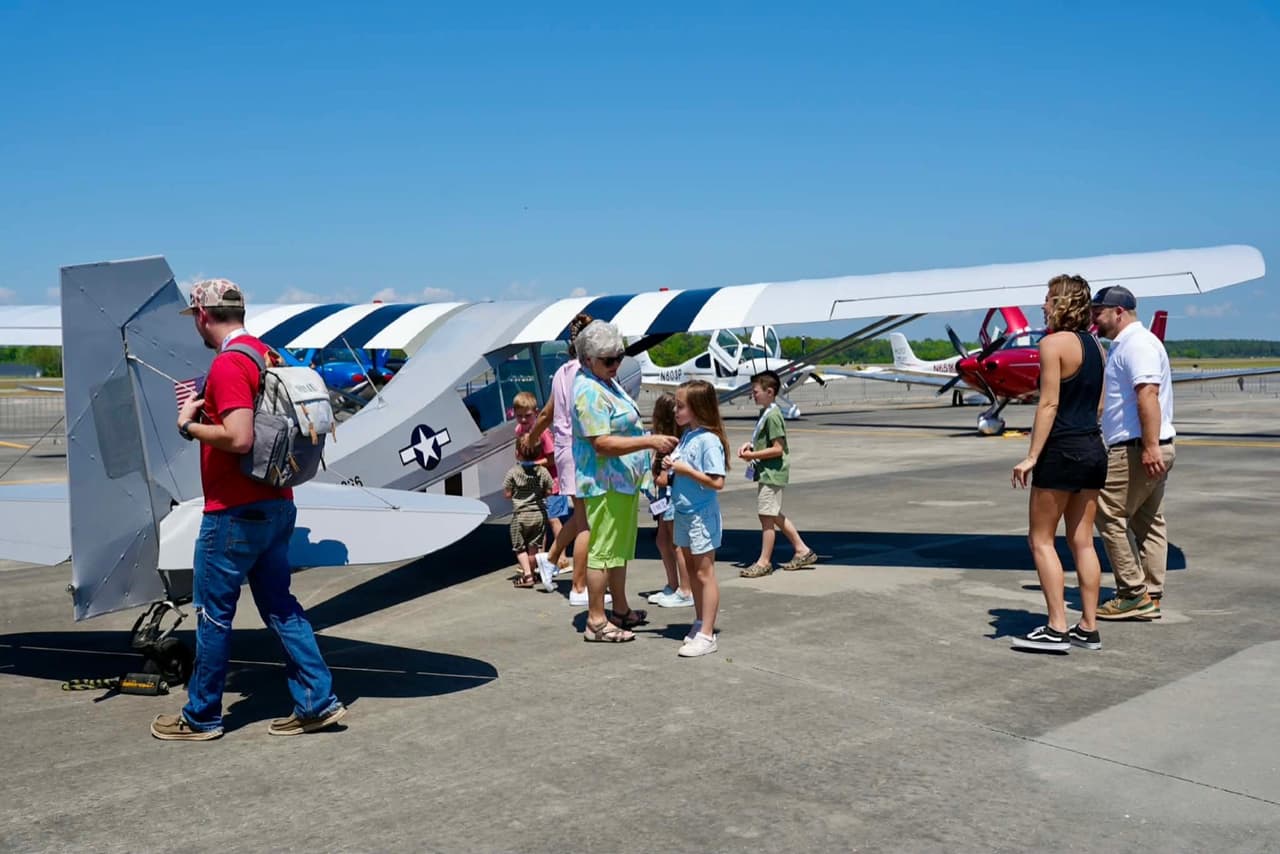
A Cessna 172 on the ramp at Grand Strand Airport with visitors gathered around it
Cessna 172M · fleet photo

Cross-country Skyhawk

Cessna 172M

An IFR-certified 172 cruising around 122 knots with roughly an 800-pound useful load — enough airplane for real cross-country work once your license is in hand.

Registration
N9868Q
Seats
4 seats
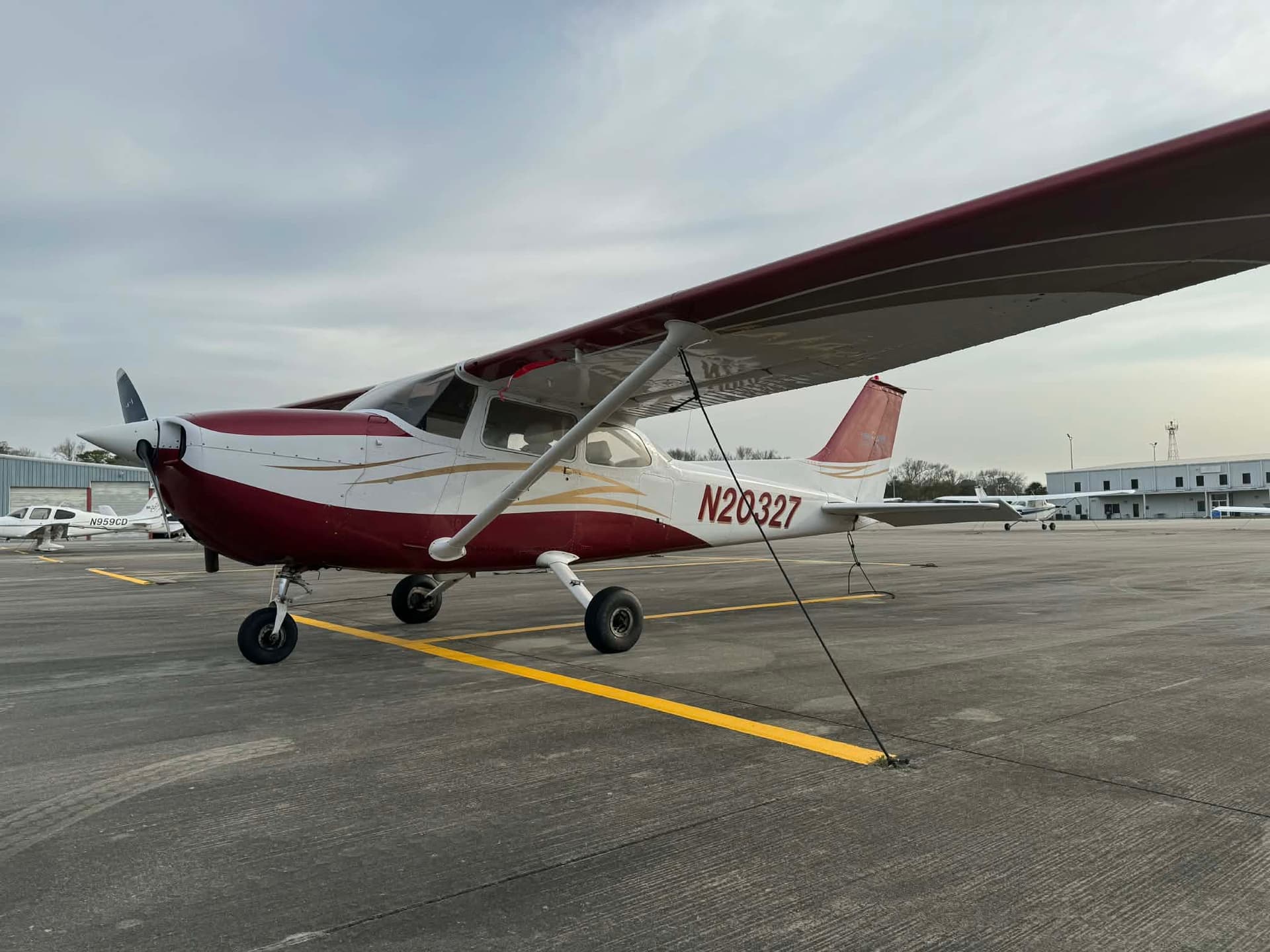
Cessna 172 N20327, white with red trim, parked on the ramp at Grand Strand Airport
N20327

Third Skyhawk on the line

Cessna 172

A four-seat, IFR-certified Skyhawk with full dual controls. Three 172s on the ramp is what keeps the schedule open seven days a week rather than leaving students queuing for one airframe.

Registration
N20327
Seats
4 seats
The standard

Seven aircraft, and the newest Cirrus SR-series fleet.

Two panels, two airframe families and a simulator make a more adaptable pilot than a single airplane ever could. You learn to fly instruments rather than to memorize one screen — which is exactly what an examiner, and later an employer, is looking for.

  1. Four Cirrus SR-series aircraft, every one fitted with CAPS
  2. Cirrus Perspective+ and Avidyne glass panels
  3. Three IFR-certified Cessna 172s
  4. An advanced flight simulator for weather and emergency work

See the training programs these aircraft fly

Questions about the fleet

What aircraft will I train in?
One of seven: three IFR-certified Cessna 172s, three Cirrus SR20s, and a 315-horsepower Cirrus SR22 G6. Most students start in the 172 and move to the Cirrus; some do the whole certificate in the SR20. Your instructor will help you pick based on what you want to fly afterwards and what you want to spend.
How old are the airplanes, and how are they maintained?
The Cirrus side of the fleet is modern — a G6 SR22, two G6 SR20s and a G3 SR20 — and the three Cessna 172s are older classic Skyhawks kept IFR-certified. Age matters far less than upkeep: an airplane used for instruction is inspected on a schedule the FAA sets, not one the operator chooses, and a well-kept 1970s Skyhawk is a better trainer than a neglected new one. Ask us about any airframe on the ramp and we will tell you where it is in that cycle.
How many aircraft do you have, and will I always get one?
Seven — four Cirrus SR-series aircraft and three Cessna 172s — plus a simulator, and we are open seven days a week. Having two identical G6 SR20s and three 172s on the line is the whole point: your lesson does not stop because one airframe is in for maintenance.
Will I train in the same airplane every lesson?
Usually the same type, and often the same airplane. Consistency early on is worth a lot, so we keep you on one airframe while you are learning the basics. Later it is an advantage to move around — a pilot who has flown a Perspective+ SR20, an Avidyne SR20 and a steam-and-VOR 172 reads instruments rather than memorizing one panel.
Do the aircraft have glass cockpits or steam gauges?
Both, which is deliberate. All four of our Cirrus carry glass — Cirrus Perspective+ on the two G6 SR20s and the SR22, Avidyne on the G3 SR20 — and the Cessna 172s are more traditional, with VOR navigation. Learning on both is what makes you a pilot who can step into an unfamiliar cockpit rather than one who is fluent in exactly one screen.

Come see the airplanes

Book a Discovery Flight and take the controls of one yourself — or call (843) 360-3690 to talk through your training.

Get My Flight Plan Book — $99–⁠$199